Esports, or competitive gaming, has grown from a niche hobby into a global phenomenon that rivals traditional sports in popularity, viewership, and revenue. What started as casual competitions among friends in arcades or living rooms has evolved into professional leagues, international tournaments, and a multi-billion-dollar industry. With millions of players and spectators worldwide, esports has redefined what it means to compete, entertain, and connect in the digital age. This article explores the evolution, impact, challenges, and future of esports as it continues to reshape entertainment and sports culture.
The Origins of Esports
The roots of esports can be traced back to the late 1970s and early 1980s, when arcade competitions became popular among young gamers. Titles like Space Invaders, Pac-Man, and Donkey Kong provided opportunities for high-score competitions and local tournaments. These early events were the foundation for organized competitive gaming, fostering community and friendly rivalry.
The rise of personal computers in the 1980s and 1990s expanded the possibilities of competitive gaming. Multiplayer games such as Doom, Quake, and StarCraft allowed players to compete online, connecting gamers across cities and eventually countries. These developments set the stage for modern esports, creating both a competitive framework and a culture centered around skill, strategy, and teamwork.
The Growth of Professional Esports
Professional esports emerged in the 2000s, with organized tournaments and leagues offering substantial prizes and recognition. South Korea played a pivotal role in popularizing esports with professional StarCraft leagues that attracted massive television audiences. These events demonstrated that gaming could be a legitimate profession and that players could achieve celebrity-like status.
As internet infrastructure improved globally, professional esports expanded to other regions, including North America, Europe, and China. Major titles like League of Legends, Dota 2, Counter-Strike, and Overwatch became the backbone of competitive gaming, attracting millions of viewers and creating dedicated professional teams. Sponsorships, media rights, and merchandise deals further solidified esports as a serious and lucrative industry.
Esports as a Spectator Sport
Unlike traditional sports, esports allows both players and audiences to engage with games in unique ways. Live streaming platforms have made watching esports accessible to anyone with an internet connection. Fans can watch professional players, interact via chat, and follow tournaments in real time, creating a global community united by shared enthusiasm for gaming.
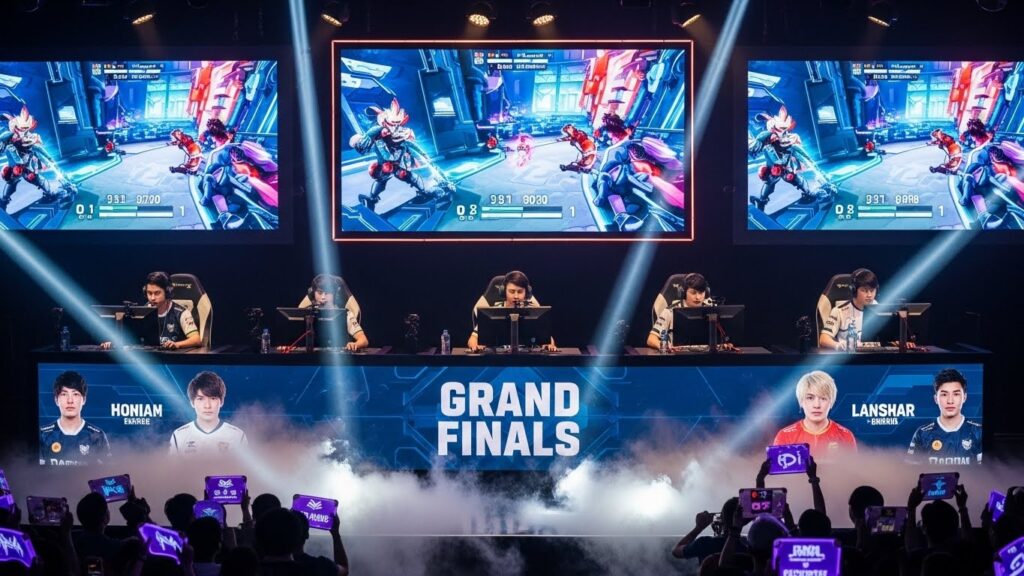
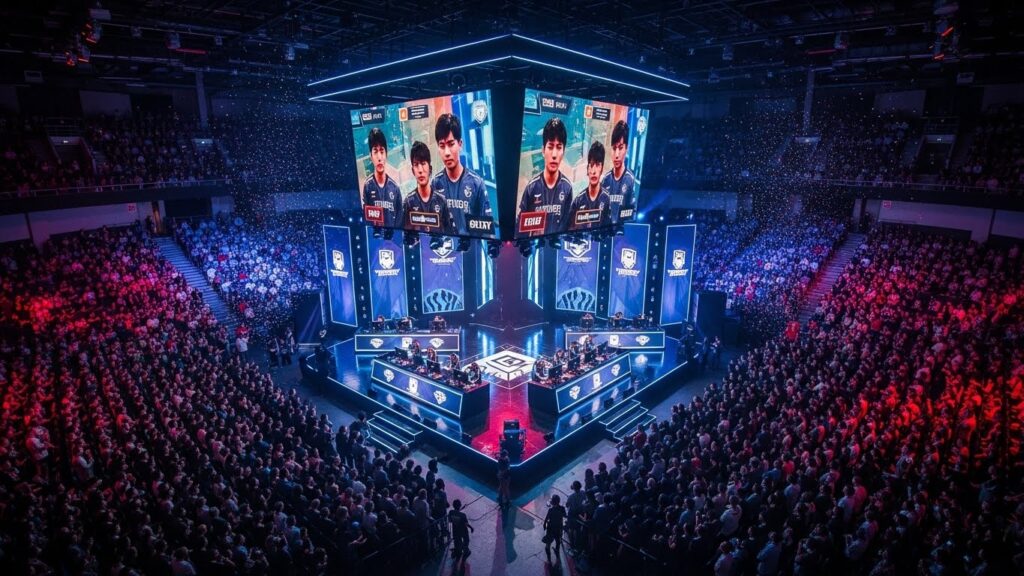
Major esports tournaments now rival traditional sporting events in production value and viewership. The League of Legends World Championship, The International Dota 2 Championship, and Fortnite World Cup are examples of events that draw millions of spectators, both online and in live arenas. Commentators, analysts, and content creators enhance the viewing experience, turning esports into a fully-fledged entertainment spectacle.
The Economics of Esports
Esports is now a multi-billion-dollar industry, generating revenue through sponsorships, advertising, media rights, merchandise, and in-game purchases. Corporations from various sectors, including technology, energy drinks, and apparel, invest heavily in esports to reach younger, tech-savvy audiences.
Professional teams operate much like traditional sports franchises, with player contracts, coaching staff, training facilities, and brand partnerships. Prize pools for top tournaments often reach millions of dollars, incentivizing players to train rigorously and compete at the highest level. The economic impact of esports extends beyond professional play, influencing technology development, media production, and marketing strategies globally.
Training and Discipline in Esports
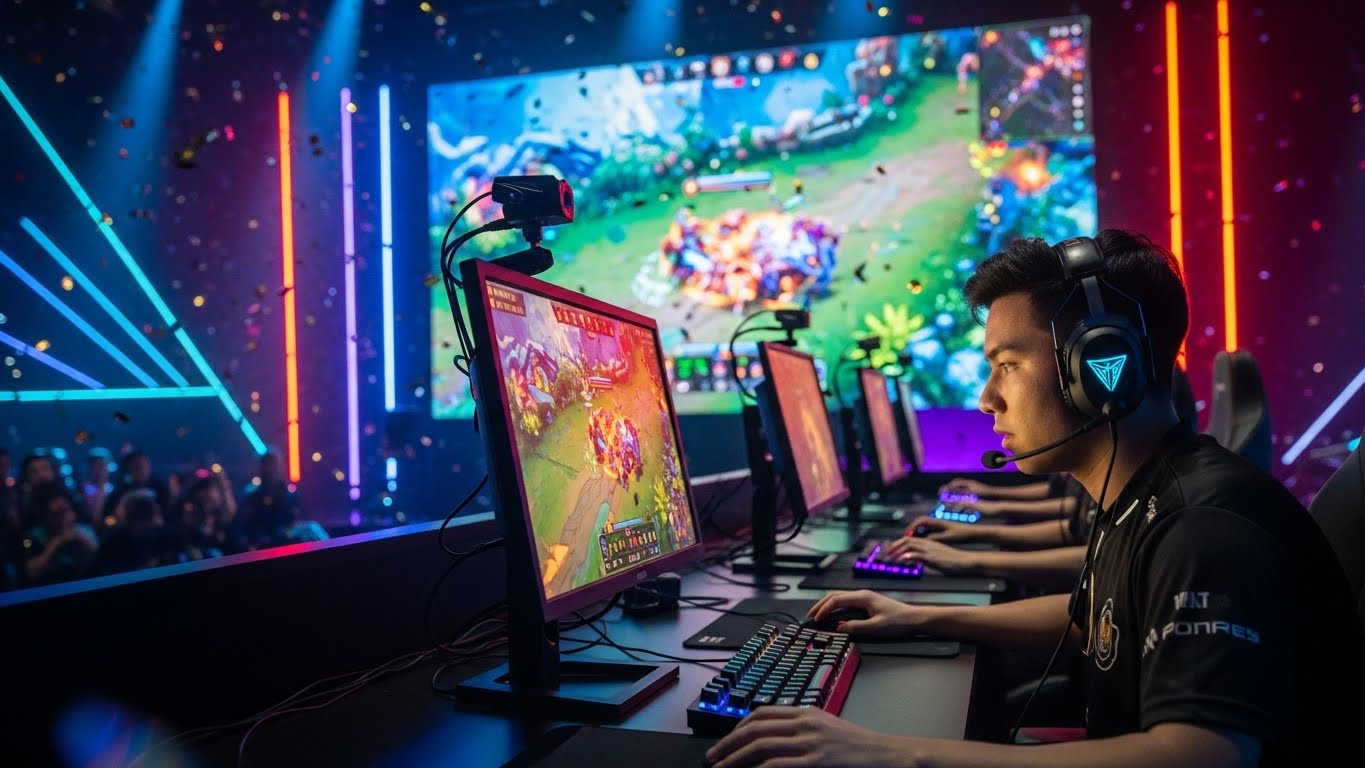
Competitive gaming requires a level of discipline comparable to traditional athletics. Professional players dedicate hours each day to practice, strategy development, and teamwork. Reaction time, hand-eye coordination, decision-making under pressure, and mental endurance are crucial for success.
Coaching and analytics play a significant role in improving performance. Teams analyze gameplay, study opponents, and refine strategies to gain a competitive edge. Nutrition, fitness, and mental health are increasingly emphasized, highlighting that esports is not just about playing games—it is a serious professional pursuit requiring holistic preparation.
The Role of Technology in Esports
Technology is at the heart of esports. High-performance computers, gaming consoles, fast internet connections, and advanced peripherals enable precise gameplay and seamless online competition. Streaming platforms and broadcast software make it possible to reach millions of viewers globally.
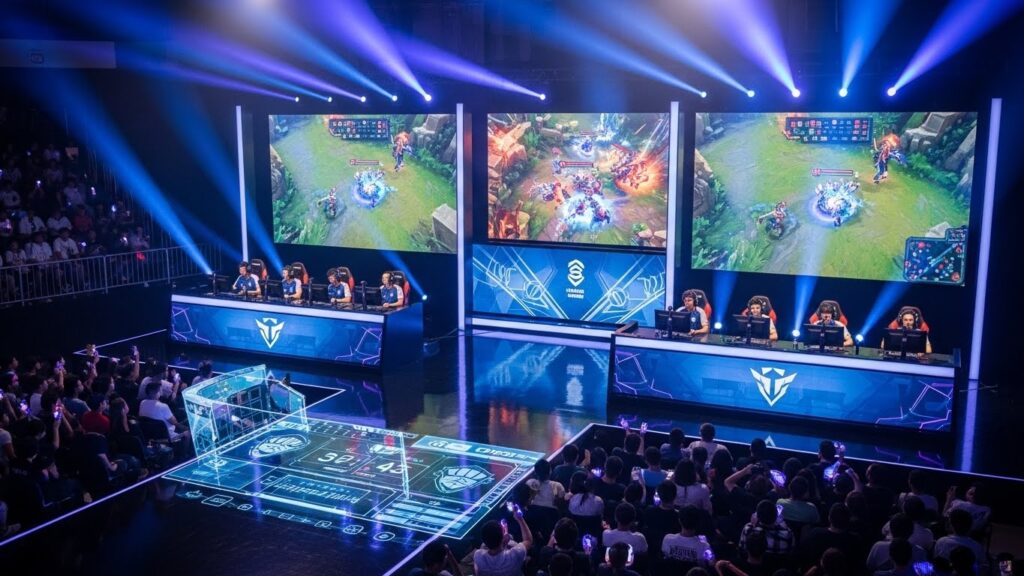
Innovations such as virtual reality, augmented reality, and cloud gaming are poised to further transform esports. Virtual arenas and interactive viewing experiences could enhance spectator engagement, while cloud technology allows players to compete without investing in expensive hardware. Technology not only enables esports but also drives its continuous evolution and global expansion.
Esports and Education
Esports has also found a place in education. Many universities now offer esports programs, scholarships, and training facilities. These programs teach students not only competitive gaming skills but also teamwork, communication, strategic thinking, and event management.
Collegiate esports leagues provide a platform for young players to develop professionally while pursuing academic goals. Educational institutions recognize that esports fosters transferable skills valuable in careers beyond gaming, including leadership, critical thinking, digital literacy, and media production.
Cultural Impact of Esports
Esports has a profound cultural impact, influencing fashion, music, media, and social interactions. Professional players have become celebrities and role models, inspiring millions of fans. Gaming content creators, influencers, and streamers shape trends and create communities around shared interests.
Esports also promotes inclusivity and diversity, bringing together players from different countries, backgrounds, and cultures. Online platforms allow participants to connect across borders, fostering global understanding and collaboration. The rise of esports reflects the growing acceptance of gaming as a legitimate form of entertainment and cultural expression.
Challenges Facing Esports
Despite its success, esports faces several challenges. Mental health concerns, including burnout, stress, and pressure to perform, affect professional players. Managing training schedules, competition, and public expectations requires robust support systems.
Regulation and standardization remain ongoing issues. As esports grows, governing bodies must address issues such as fair play, cheating, doping, and player rights. Diversity and representation also need attention, as historically certain groups have been underrepresented in competitive gaming.
Monetization models, while lucrative, sometimes create ethical concerns. Sponsorships, advertising, and in-game purchases must balance profitability with fairness, accessibility, and sustainability. Addressing these challenges is essential for the long-term growth and credibility of esports.
The Future of Esports
The future of esports is bright and full of possibilities. Continued technological advancements will enable more immersive gameplay and viewing experiences. Virtual reality and augmented reality could redefine competitive arenas, while artificial intelligence and analytics enhance strategy and training.
Esports will continue to expand geographically, reaching new audiences and fostering global communities. Integration with mainstream media, education, and traditional sports could further legitimize esports as a professional and cultural force. Inclusivity, accessibility, and ethical practices will play a key role in shaping the future, ensuring that esports remains a positive and innovative industry.
Conclusion: Esports as a New Frontier
Esports is more than a hobby or form of entertainment—it is a transformative cultural and economic phenomenon. From its humble beginnings in arcades and early multiplayer games to international tournaments with millions of viewers, esports has redefined competition, community, and entertainment.
The industry combines skill, strategy, technology, and creativity, creating opportunities for players, spectators, and businesses alike. Esports promotes global connectivity, cultural exchange, and personal development, reflecting the evolving nature of digital society.
As esports continues to grow, it will redefine the boundaries of competition, entertainment, and innovation. The journey of competitive gaming demonstrates the power of technology and human creativity, offering a glimpse into the future of interactive entertainment. With dedication, professionalism, and responsible growth, esports will remain a dominant force, inspiring generations of gamers and audiences worldwide.